Why Does Transplanted Hair Fall Out? Understanding Shock Loss
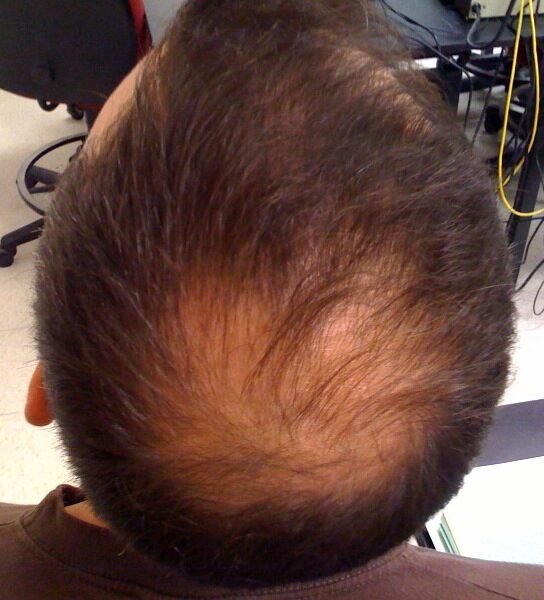
There's a particular 3am search that almost every hair transplant patient makes: "transplanted hair falling out — is this normal?!" You paid, you traveled, you followed the rules for ten days, you even saw the first new hairs come in — and now they're on your pillow. This article exists to answer that search properly: what shock loss is, why follicles behave this way, when it happens, and how to tell the expected script from something worth asking about.
The short answer: you're not losing grafts
The single most important distinction in this whole topic: a hair and its follicle are not the same thing. The follicle is the living root structure under the skin — that's what was transplanted, and that's what your result depends on. The hair shaft is the visible strand it produces. During shock loss, the follicles stay healthy and anchored where the surgical team placed them; they only shed the shaft. Around months 1–2 after the procedure, this shedding is a completely normal part of the process — the follicles then cycle back into growth and produce new, permanent hair.
The hair growth cycle, in sixty seconds
To understand why follicles shed on schedule, you need one piece of background: hair grows in cycles. Each follicle rotates through a long growth phase (this is where most of your hair is at any moment), a short transition phase, and a resting phase at the end of which the old shaft is released — normal, everyday hair shedding is exactly this. Then the follicle starts growing a new shaft, and the cycle repeats. Follicles have been doing this your whole life; you just never had a reason to notice.
What surgery does to that cycle
A transplant is, from the follicle's perspective, a major stress event: it's extracted, kept outside the body briefly, and implanted into a new site. The commonly described response is that stressed follicles drop out of their growth phase and into the resting phase early — and the visible result of that, weeks later, is shedding. It looks like the transplant failing; it's actually the follicles doing the most normal thing a follicle does, just synchronized by the stress of the move. After the rest phase, they restart — and the hair they grow next is the permanent result you traveled for.
The shock loss timeline
| Phase | What you see | What's actually happening |
|---|---|---|
| Days 1–10 | Healing, small crusts clearing; around day 10, first new hairs | Grafts anchor while you follow the strict 10-day rules |
| Months 1–2 | The new hair sheds — the panic phase | Shock loss: follicles drop into the resting phase and release the shafts; the follicles themselves stay healthy |
| Months 3–6 | New growth appears and visibly builds | Follicles cycle back into growth, producing permanent hair |
| Months 6–12 | Density and thickness keep improving | The result matures; most patients see their full result around month 12 |
One more thing clinics rarely mention: your existing hair can shed too
Shock loss doesn't only affect the transplanted grafts. The native hair around the recipient area — and sometimes near the donor zone — has also just been through a stressful event, and some of it can temporarily shed in the same way. This is commonly described, usually temporary, and it recovers as the follicles cycle back — but it can make weeks 4–8 look worse than expected, which is exactly why we'd rather you read about it here than discover it unprepared. If shedding of your existing hair concerns you, photograph it and ask your team.
What you can do about shock loss (and what you can't)
- You can't skip it. Shedding is part of the follicle's normal response — no shampoo or supplement negotiates with biology.
- You can protect the grafts when it matters most: the strict rules cover the first 10 days (no cigarettes, alcohol, coffee, intense exercise, or sexual activity) — that's when your behavior genuinely affects the outcome.
- You can use the aftercare you took home: the medical shampoo, serum, and vitamins in the package, applied per the care instructions from your final check-up.
- You can measure honestly: one photo a month, same angle, same light. Trend beats daily mirror inspection — and daily mirror inspection during shedding season is a recipe for misery.
When to ask instead of wait
We won't hand you a self-diagnosis checklist — that's how forum anxiety spirals start. The rule is simpler: your team told you what to expect; if what you're seeing differs meaningfully from that script in timing or in kind, or if shedding comes with anything that worries you, don't wait it out and don't crowdsource it. Send a photo and a question to the team that treated you. If that's us: message us anytime — medical questions go to the hospital's medical team, and you get their answer, not our improvisation.
If you're still researching: what this means for judging clinics
Shock loss has a useful side effect for anyone comparing providers: it tells you when results can honestly be judged. Any before/after photo taken at month 2 or 3 is nearly meaningless — the honest showcase is the 12-month result. And any provider who doesn't warn you about shock loss upfront is either inexperienced or betting on you not asking. It's one of the cheapest honesty tests in this industry.
Thinking about a transplant and want straight answers?
Send a few photos and get a free assessment within 24 hours — including the honest timeline, shock loss and all, mapped to your case. Already our patient? Just message us directly with any question.
Get My Free AssessmentFrequently asked questions
The bottom line: shock loss is the process working, not failing. Follicles stay, shafts go, permanent hair follows. For the complete week-by-week picture around it, our full recovery timeline is the companion article — and if you're earlier in your research, the cost breakdown and technique comparison cover the decisions that come before any of this.