Is a Hair Transplant in Turkey Safe? How to Vet a Clinic Like an Insider
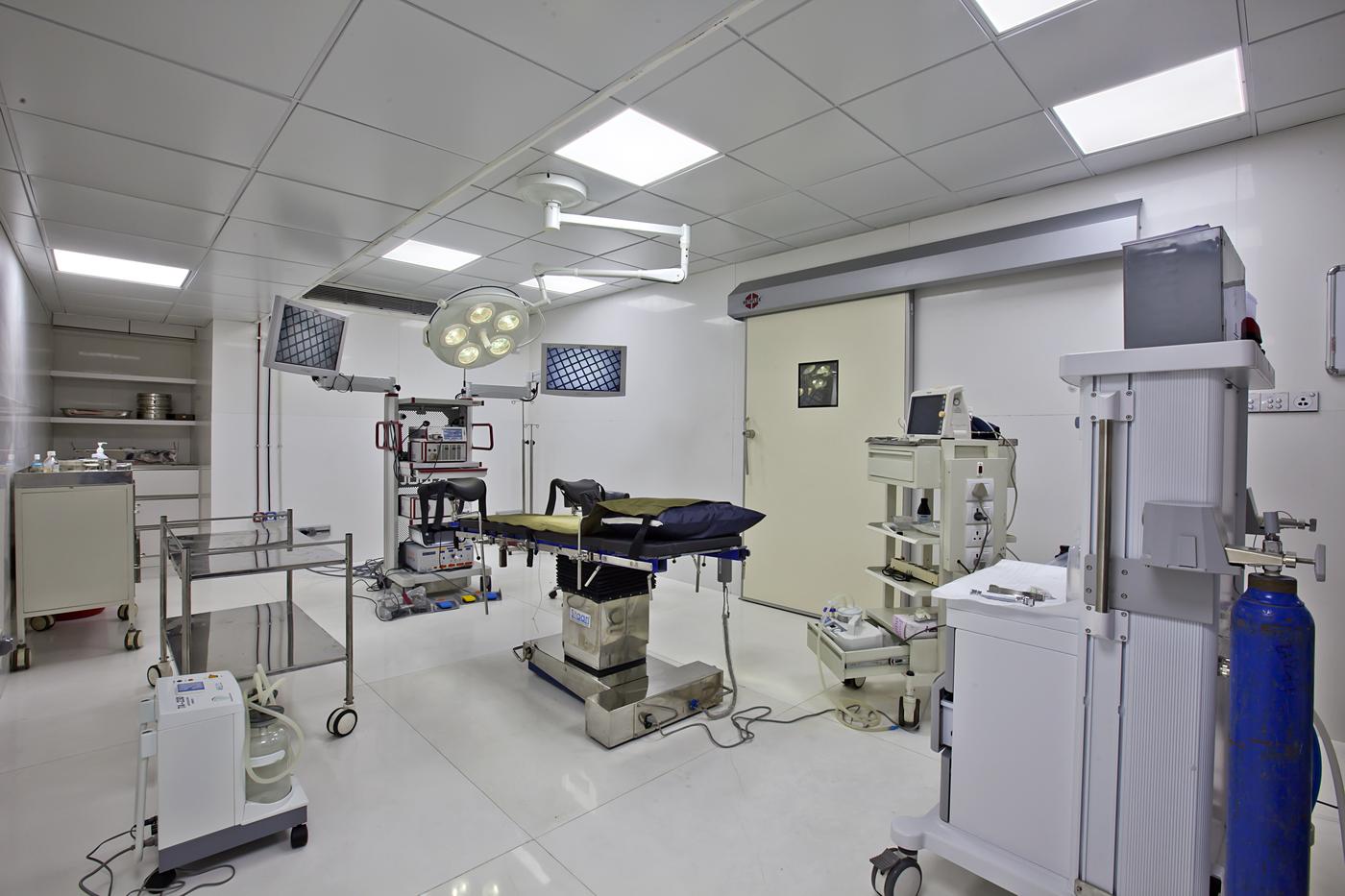
Let's name the fear directly, because everyone researching this has felt it: you've read the horror stories. Botched hairlines, infections, procedures performed by people who weren't who they claimed to be — those stories are real, and pretending otherwise would make everything else on this page worthless. Here's the context they usually leave out: Turkey performs an enormous share of the world's hair transplants, and any market that large contains everything — genuinely excellent surgical teams, a competent middle, and operations that should frighten you. The question "is Turkey safe?" has no useful answer. The question "is this specific provider safe?" does — and this article teaches you to answer it like an insider.
Why "Turkey" is the wrong unit of analysis
Nobody asks whether "Germany" is a safe place for knee surgery — you'd ask about the hospital and the surgeon. Hair transplants deserve the same precision, but medical-travel marketing flattens everything into one country and one reputation. Provider quality in Turkey varies enormously, precisely because the volume is so high: massive demand attracts serious hospitals and career surgeons, and it also attracts operators who see patients as a commodity to be processed at maximum speed. Geography tells you nothing. The price tells you surprisingly little in either direction — a low quote can be honest, and a premium one can be a production line with better branding. What separates them is structure, and structure is checkable.
The single biggest question: who actually performs the surgery?
If you check only one thing, check this. The commonly described spectrum runs from surgeon-led — a doctor plans the hairline, performs or directly supervises the extraction and implantation, and is physically present throughout — to technician-run, where a doctor may appear for a greeting and a signature while technicians carry out the entire procedure. Volume factories exist because the second model scales: one nominal surgeon, several rooms, many patients a day. That scaling is what makes some prices so low — and it's where the risk concentrates: nobody with surgical training is making the judgment calls about your donor area, your graft limits, or whatever surfaces mid-procedure.
So ask, in writing, before paying: who plans the hairline, who makes the incisions, who implants the grafts, and who is in the room from start to finish. A serious provider answers with names and roles. An evasive answer — "our experienced medical team" — is an answer too.
The setting: a hospital is not a detail
A hair transplant is a long procedure under local anesthesia — routinely uneventful, but "routinely" is doing quiet work in that sentence. The setting decides what happens on the rare day it isn't: a full hospital has anesthesiology on site, emergency capability down the corridor, and hygiene standards enforced by people whose entire job is enforcing them. An apartment-style clinic — and a visible share of this market operates out of converted residential or office space — has whatever it chose to install. So ask where, physically, the operation takes place and what happens if something goes wrong during it: "we operate inside a fully licensed hospital" and "we have an arrangement with a nearby hospital" describe two very different afternoons.
Signals worth checking
- A verifiable surgeon identity: a full name you can search, with a medical registration you can actually find — not a first name and a portrait photo.
- You can name your surgeon before paying — one of the cleanest filters in the industry: if the answer is "you'll meet the doctor on the day," the doctor is not the product you're buying.
- ISHRS membership (International Society of Hair Restoration Surgery) is worth looking for anywhere in the world: it doesn't guarantee outcomes, but it signals a surgeon engaged with the field's standards rather than hiding from them.
- Your medical history is taken seriously before you're accepted: medications, existing conditions, blood work planned. A provider that accepts you without a single health question has told you exactly what you are to them.
- Aftercare with a structure you can see in advance: written instructions, a named contact channel, scheduled check-ins — not "message us if something feels wrong."
Red flags that should end the conversation
- A guaranteed graft count before anyone has seen photos of your head. Graft numbers depend on your donor area; promising them sight-unseen is guessing, sales tactics, or both.
- Discounts expiring "today." Real surgical capacity doesn't go on flash sale — manufactured urgency exists to stop you from doing exactly what this article recommends.
- No medical screening questions before booking. If nothing about your health could possibly disqualify you, you're not being evaluated as a patient.
- Refusing a video consultation. A provider with a real facility and a real surgeon has no reason to keep either off camera.
- Before/after photos that can't be verified or dated. Our guide to spotting manipulated photos covers the checks — impossible timelines are the industry's oldest instrument — and a gallery that fails them fails this one too.
| What to check | Reassuring answer | Warning answer |
|---|---|---|
| Who performs the surgery | A named surgeon, role confirmed in writing, present throughout | "Our experienced team" — no names, no commitment |
| Where it happens | A fully licensed hospital with emergency capability on site | Converted apartment or office floor; vague about the address |
| Graft count | An estimated range, given only after your photos are assessed | A fixed number guaranteed before anyone has seen your head |
| Medical screening | Health questions and blood work before you're accepted | Instant acceptance — the payment link arrives first |
| The consultation | Video call offered, detailed questions welcomed | Chat-only, booking pressure, a discount that expires tonight |
| Aftercare | A written plan, a named contact, scheduled follow-ups | "Contact us if there's a problem" |
Where we stand — and why you should audit us too
Our disclosure, as always: we're an independent patient coordination service, paid by our partner hospital in Istanbul — we are not the clinic, and we don't perform surgery. What we did do is run exactly this checklist before agreeing to send anyone there: a full hospital setting rather than an apartment clinic, surgeon-led procedures, medical screening before acceptance, and structured aftercare. Our incentive is structural too: a coordinator lives or dies by long-term reputation, not by this month's surgical volume — a single badly chosen partner would end us. But that's an argument, not proof. So take this article's questions and point them at us: ask who operates, where, and what happens if you're not a good candidate. We built our process expecting exactly that audit — and we mean it.
Want your case assessed before anyone talks you into anything?
Send a few photos and get a free, honest assessment within 24 hours — whether you're a good candidate at all, what's realistically achievable, and the fixed €1,750 all-inclusive price if it makes sense to proceed. No obligation, no expiring discounts.
Get My Free AssessmentFrequently asked questions
The bottom line: "Turkey" is neither the danger nor the guarantee — the provider is, and the provider is checkable before you spend a cent. If you're assembling the full research picture, our cost breakdown shows what the prices actually contain, and the guide to spotting fake before/after photos covers the other half of the audit: verifying that the results you're being shown are real.